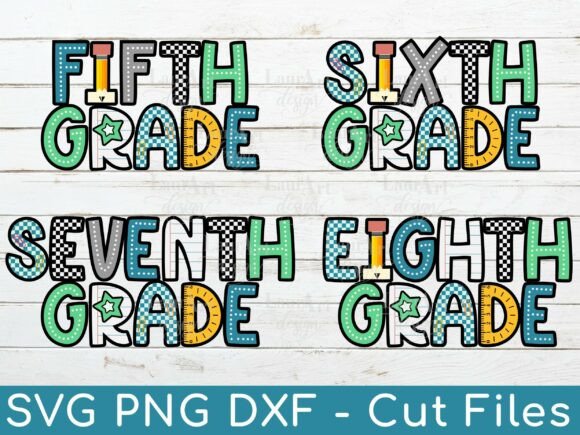
Back to School Grades Fifth Sixth Eighth: A Guide for Creative and Practical Use
As the new school year approaches, many parents, educators, and creative professionals are looking for ways to make learning fun and engaging. Back to School Grades Fifth Sixth Eighth is a digital design resource that offers a variety of printable and editable files perfect for creating classroom materials, student gifts, or personalized back-to-school items. Whether you're an educator preparing for the semester, a parent crafting a special gift for your child, or a small business owner selling custom merchandise, this resource can be a valuable tool. However, there are several common mistakes people make when using these designs, which can impact the final outcome and usability.
What Is Back to School Grades Fifth Sixth Eighth?
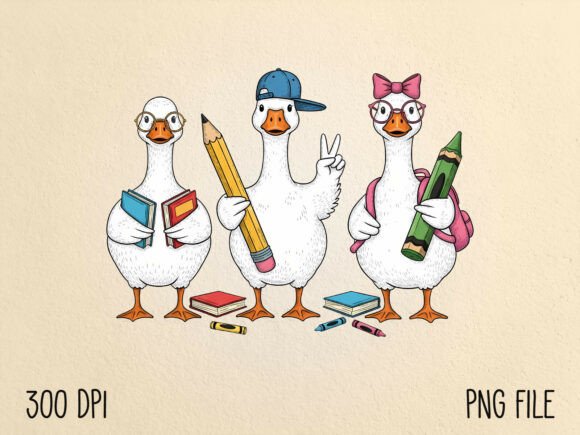
Back to School Grades Fifth Sixth Eighth is a collection of high-quality digital files designed for various creative applications. It includes 12 files in a single ZIP folder, available in SVG, DXF, and PNG formats. These files are ideal for use with cutting machines, sublimation printers, and other digital fabrication tools. The designs are suitable for both educational and commercial purposes, offering flexibility in how they can be used and customized.
The SVG and DXF files are vector-based, making them perfect for precise cutting on machines like Cricut or Silhouette. The PNG files come with transparent backgrounds and are suitable for printing, sublimation, and digital editing. This versatility makes the resource appealing to a wide range of users, from beginners to experienced creators.
Common Mistakes When Using Back to School Grades Fifth Sixth Eighth
While the resource is highly versatile, there are several pitfalls that users often encounter. Understanding these issues can help avoid frustration and ensure the best possible results.
Misunderstanding File Formats
One of the most common mistakes is not understanding the differences between vector and raster files. For example, using an SVG file in a program that doesn't support vector graphics can lead to poor quality or unusable designs. Similarly, attempting to edit a PNG file as if it were a vector format may result in loss of detail and clarity.
Solution: Always check which software you're using before opening a file. If you're planning to cut the design, stick to vector formats (SVG or DXF). For printing or digital use, PNG files are more appropriate.
Ignoring Software Compatibility
Not all design software supports every file type. Some users may download the files only to find out later that their preferred program cannot open them. This can be especially frustrating when time is limited, such as right before the school year starts.
Solution: Before downloading, verify that your software supports the file types included. Popular programs that work well with SVG files include Cricut Design Space, Inkscape, and Adobe Illustrator. For PNG files, Photoshop, Microsoft Office, and print-ready software are good choices.
Overlooking Resolution and Quality
Many users overlook the importance of resolution when working with PNG files. While the files provided are high-resolution at 300 dpi, resizing them beyond their original dimensions without proper scaling can cause pixelation and loss of quality.
Solution: Always maintain the original size of the PNG files unless you're using them for large-format printing, where higher resolution may be required. If resizing is necessary, use image-editing software that allows for intelligent scaling.
Not Following Usage Guidelines
The resource comes with specific usage guidelines, including restrictions on digital resale and the need to watermark designs used on physical products. Ignoring these terms can lead to legal issues or ethical concerns.
Solution: Review the licensing agreement carefully before using the files. If you plan to sell any products made from these designs, ensure that you're following the rules outlined by the creator. Adding a watermark to physical products is a simple way to respect the intellectual property rights of the designer.
How to Maximize the Value of Back to School Grades Fifth Sixth Eighth
To get the most out of this digital item, consider the following tips:
- Plan Ahead: Start preparing your back-to-school materials early to avoid last-minute stress. This gives you time to experiment with different designs and applications.
- Test Before Committing: Print or cut a sample of the design before producing a large batch. This helps identify any potential issues, such as alignment problems or color inconsistencies.
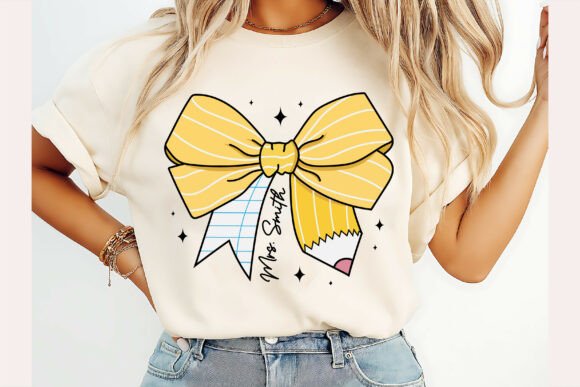
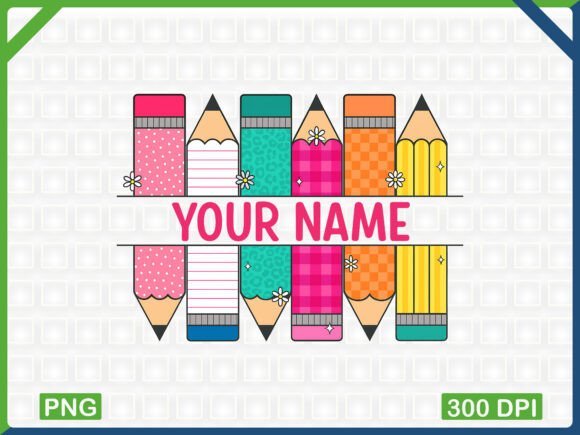
- Customize Thoughtfully: While the designs are pre-made, they can be customized to suit individual needs. Take the time to personalize them with names, dates, or other relevant details.
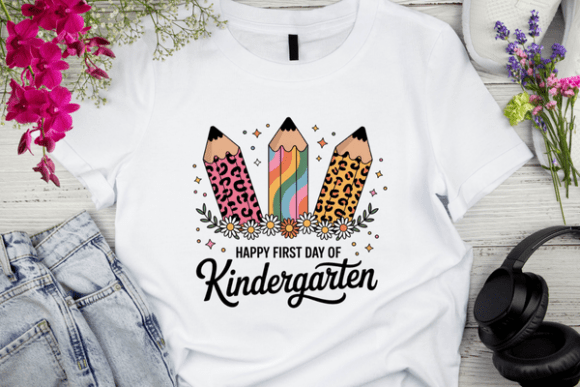
- Explore Different Uses: Don’t limit yourself to just one application. The same design can be used for t-shirts, mugs, posters, or even digital media. Experiment with different materials and methods to discover new possibilities.
By being mindful of these considerations, you can ensure that your use of Back to School Grades Fifth Sixth Eighth is both effective and enjoyable. Whether you're creating gifts for students, classroom decorations, or promotional materials, this resource can be a great addition to your creative toolkit.